

The Changing Face of Media Distribution
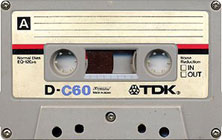 On 17 April 2009, four men were sentenced to a year in prison and ordered to pay fines to the sum of $905,000 each for the crime of piracy on the stormy seas of the Internet. This group, of course, are the infamous collaborators behind The Pirate Bay, a website dedicated to indexing music, movies, television programs, software and books that are being shared by users of BitTorrent all over the world. The same men are also the founding members of the first political party dedicated to copyright reform, aptly titled The Pirate Party.
 Last month I wrote about open source software and suggested a few open source applications that are worth trying out. This month I am going to continue the theme by going a bit deeper into the OpenOffice suite of applications.
 If you have been living on planet Earth for the past few years, you have probably heard somebody mention the term “open source”. It could have been a geeky friend rabbiting on about how they use Linux now instead of Windows, or maybe it was the tech support guy mumbling something under his breath about Internet Explorer not being as good as Firefox. It doesn’t really matter where you heard it, but the chances are that you have.
 If you work in a MS Windows environment, sooner or later you will ask your IT person the question that he or she hears at least once a day: “Why is my PC so slow? It never used to be.”
 of your CV, only to realise that it was one of the many files you lost when you took your laptop back to the Computer Mega Store to have it fixed? You may remember the embarrassment on the techy’s face when he explained how they managed to destroy the entire contents of your hard drive while they were replacing a missing key on your keyboard.
 The Problem
 19 billion individual pages and that's just an estimate. With so much information floating around it can be quite difficult to filter out the noise from the good stuff.